


Top Heating and Cooling Tips for Homeowners
- dittemorenk
- May 18
- 4 min read
Maintaining a comfortable home environment is essential for your well-being, especially during extreme weather conditions. Whether it's the scorching heat of summer or the biting cold of winter, having an efficient heating and cooling system can make all the difference. In this blog post, we will explore some of the best tips for homeowners to optimize their heating and cooling systems, ensuring comfort and energy efficiency year-round.
Understanding Your Heating and Cooling System
Before diving into tips, it's crucial to understand the basics of your heating and cooling system. Most homes utilize either a central heating and cooling system or individual units. Here’s a brief overview:
Central Systems: These systems use ductwork to distribute heated or cooled air throughout the home. They typically consist of a furnace or boiler for heating and an air conditioner for cooling.
Individual Units: These include window air conditioners, portable heaters, and split systems. They are often used in smaller spaces or as supplemental heating and cooling.
Understanding how your system works will help you make informed decisions about maintenance and upgrades.
Regular Maintenance is Key
One of the most effective ways to ensure your heating and cooling systems operate efficiently is through regular maintenance. Here are some essential maintenance tasks:
Change Filters: Dirty filters can restrict airflow and reduce efficiency. Check and replace filters every 1-3 months, depending on usage.
Clean Coils: Dust and debris can accumulate on the coils of your air conditioner and furnace. Cleaning them annually can improve efficiency and prolong the lifespan of your units.
Inspect Ductwork: Leaky ducts can lead to significant energy loss. Inspect your ductwork for any gaps or holes and seal them with duct tape or mastic sealant.
Optimize Your Thermostat Settings
Your thermostat plays a crucial role in managing your home's temperature. Here are some tips to optimize its use:
Set a Schedule: Program your thermostat to adjust temperatures based on your daily routine. For example, lower the temperature during the night or when you are away from home.
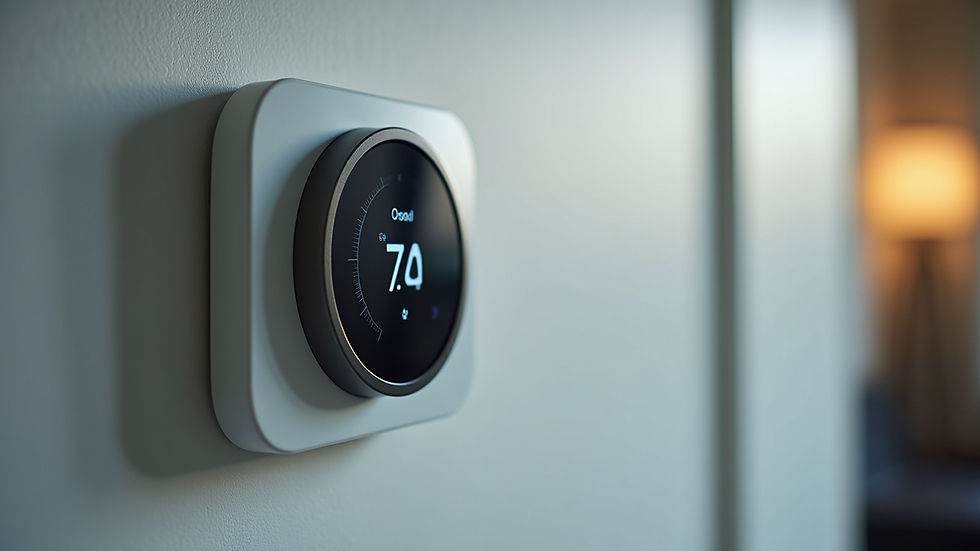
Use Smart Thermostats: Consider upgrading to a smart thermostat that learns your habits and adjusts settings automatically. This can lead to significant energy savings.
Avoid Temperature Extremes: Setting your thermostat too high or too low can strain your system. Aim for a comfortable range of 68°F in winter and 75°F in summer.
Insulation Matters
Proper insulation is vital for maintaining your home's temperature. Here are some areas to focus on:
Attic Insulation: Heat rises, so ensuring your attic is well-insulated can prevent heat loss in winter and keep your home cooler in summer.
Wall Insulation: Check the insulation in your walls, especially if you live in an older home. Adding insulation can improve energy efficiency.
Seal Windows and Doors: Use weatherstripping or caulk to seal gaps around windows and doors. This prevents drafts and keeps conditioned air inside.
Utilize Ceiling Fans
Ceiling fans can help circulate air and improve comfort levels in your home. Here’s how to use them effectively:
Summer Mode: Set your ceiling fan to rotate counterclockwise to create a cooling breeze.
Winter Mode: In winter, switch the fan to rotate clockwise at a low speed to circulate warm air that rises to the ceiling.
Supplement Heating and Cooling: Use ceiling fans in conjunction with your heating and cooling systems to enhance comfort without overworking your HVAC units.
Consider Zoning Systems
If your home has multiple levels or rooms that are used differently, a zoning system can help manage temperatures more effectively. Here’s how it works:
Individual Control: Zoning systems allow you to control the temperature in different areas of your home independently, ensuring comfort where it’s needed most.
Energy Savings: By only heating or cooling occupied spaces, you can reduce energy consumption and lower utility bills.
Invest in Energy-Efficient Appliances
When it’s time to replace your heating or cooling system, consider investing in energy-efficient models. Look for the following:
Energy Star Ratings: Appliances with the Energy Star label meet strict efficiency guidelines set by the U.S. Environmental Protection Agency.
SEER Ratings: For air conditioners, check the Seasonal Energy Efficiency Ratio (SEER) rating. Higher ratings indicate better efficiency.
AFUE Ratings: For furnaces, look for the Annual Fuel Utilization Efficiency (AFUE) rating. A higher percentage means more efficient fuel use.
Monitor Your Energy Usage
Keeping an eye on your energy consumption can help you identify areas for improvement. Here are some strategies:
Use Energy Monitors: Consider installing energy monitors to track your heating and cooling usage in real-time.
Review Utility Bills: Regularly check your utility bills for any spikes in usage. This can indicate issues with your system or insulation.
Conduct an Energy Audit: Hire a professional to perform an energy audit of your home. They can identify inefficiencies and recommend improvements.
Take Advantage of Natural Ventilation
When the weather permits, use natural ventilation to cool your home. Here are some tips:
Open Windows: On cooler evenings, open windows to let in fresh air. This can reduce the need for air conditioning.
Cross-Ventilation: Create cross-ventilation by opening windows on opposite sides of your home. This allows for a natural breeze to flow through.
Use Exhaust Fans: In areas like kitchens and bathrooms, use exhaust fans to remove hot air and humidity, helping to cool your home.
Be Mindful of Landscaping
Your landscaping can impact your home’s heating and cooling efficiency. Here’s how to use it to your advantage:
Shade Trees: Planting trees strategically can provide shade to your home, reducing the need for air conditioning in summer.
Windbreaks: Use shrubs or trees to create windbreaks that protect your home from cold winter winds.
Reflective Surfaces: Consider using reflective materials for driveways and patios to reduce heat absorption around your home.
Conclusion
By implementing these heating and cooling tips, homeowners can create a more comfortable living environment while also saving on energy costs. Regular maintenance, smart thermostat usage, proper insulation, and energy-efficient appliances are just a few strategies that can lead to significant improvements. Remember, a well-maintained system not only enhances comfort but also extends the lifespan of your heating and cooling units. Take action today to optimize your home’s heating and cooling systems for a more efficient and comfortable future.


Comments