


Signs Your Heating and Air System Needs Repair
- dittemorenk
- May 18
- 4 min read
When the temperature outside fluctuates, your heating and air conditioning system plays a crucial role in maintaining comfort within your home. However, like any mechanical system, it can develop issues over time. Recognizing the signs that your heating and air system needs repair can save you from costly breakdowns and ensure a comfortable living environment. In this post, we will explore the common indicators that suggest your HVAC system requires attention.

Unusual Noises
One of the first signs that your heating and air system may need repair is the presence of unusual noises. While some sounds are normal, others can indicate underlying problems. Here are a few noises to watch for:
Banging or Clanking: This could suggest loose or broken components within the system.
Hissing: A hissing sound may indicate a refrigerant leak, which can affect the efficiency of your air conditioning unit.
Squealing: This sound often points to a problem with the fan belt or motor, which may require immediate attention.
If you notice any of these noises, it’s essential to have a professional inspect your system to prevent further damage.
Inconsistent Temperatures
Are some rooms in your home warmer or cooler than others? Inconsistent temperatures can be a sign that your HVAC system is struggling to distribute air evenly. This issue can stem from several factors, including:
Blocked Ducts: Dust and debris can accumulate in your ductwork, restricting airflow.
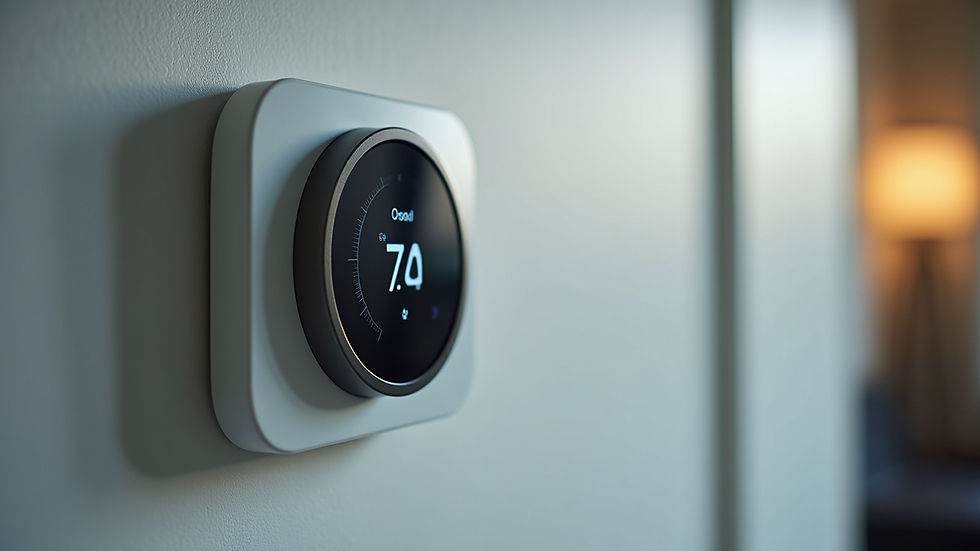
Faulty Thermostat: A malfunctioning thermostat may not accurately read the temperature, leading to uneven heating or cooling.
Insufficient Insulation: Poor insulation can cause heat loss in winter and heat gain in summer, affecting overall comfort.
To address inconsistent temperatures, consider having your ductwork cleaned and your thermostat calibrated by a professional.
Increased Energy Bills
If you notice a sudden spike in your energy bills, it could be a sign that your heating and air system is not operating efficiently. Common reasons for increased energy costs include:
Dirty Filters: Clogged air filters restrict airflow, forcing your system to work harder and consume more energy.
Aging Equipment: Older systems may become less efficient over time, leading to higher energy consumption.
Refrigerant Leaks: If your air conditioning unit is low on refrigerant due to a leak, it will struggle to cool your home effectively, resulting in increased energy usage.
Regular maintenance, including changing filters and scheduling professional inspections, can help keep your energy bills in check.
Frequent Cycling
If your heating and air system is frequently cycling on and off, it may indicate an underlying issue. This problem can lead to unnecessary wear and tear on your system and may be caused by:
Thermostat Issues: A malfunctioning thermostat can cause your system to turn on and off too frequently.
Oversized System: If your HVAC system is too large for your home, it may cool or heat the space too quickly, leading to short cycling.
Ductwork Problems: Leaks or blockages in your ductwork can disrupt airflow, causing your system to cycle more often than necessary.
Addressing frequent cycling is crucial to prolonging the lifespan of your HVAC system.
Foul Odors
Unpleasant odors coming from your heating and air system can indicate various issues. Here are some common smells to be aware of:
Burning Smell: A burning odor may suggest that electrical components are overheating or that dust is burning off the heat exchanger.
Musty Smell: A musty odor can indicate mold growth within your ductwork or on your air conditioning unit, which can affect indoor air quality.
Chemical Smell: A chemical odor may signal a refrigerant leak, which requires immediate attention from a professional.
If you detect any unusual smells, it’s essential to turn off your system and contact a technician for further evaluation.
Poor Air Quality
If you or your family members are experiencing increased allergy symptoms or respiratory issues, your heating and air system may be to blame. Poor air quality can result from:
Dirty Filters: Clogged filters can trap dust, pollen, and other allergens, circulating them throughout your home.
Mold Growth: Moisture buildup in your HVAC system can lead to mold growth, which can negatively impact air quality.
Inadequate Ventilation: Poor ventilation can cause stale air to accumulate, leading to discomfort and health issues.
Improving air quality may involve changing filters regularly, cleaning ductwork, and ensuring proper ventilation in your home.
Age of the System
The age of your heating and air system plays a significant role in its performance and reliability. Most HVAC systems have a lifespan of 15 to 20 years. If your system is approaching this age, consider the following:
Increased Repairs: Older systems often require more frequent repairs, which can add up over time.
Decreased Efficiency: As systems age, they may become less efficient, leading to higher energy bills.
Obsolete Parts: Finding replacement parts for older systems can be challenging, making repairs more difficult.
If your HVAC system is nearing the end of its lifespan, it may be time to consider a replacement.
Conclusion
Recognizing the signs that your heating and air system needs repair is essential for maintaining a comfortable home environment. By paying attention to unusual noises, inconsistent temperatures, increased energy bills, frequent cycling, foul odors, poor air quality, and the age of your system, you can take proactive steps to address issues before they escalate.
Regular maintenance and timely repairs can extend the life of your HVAC system and ensure it operates efficiently. If you notice any of these signs, don’t hesitate to contact a professional technician for an inspection. Keeping your heating and air system in top shape will not only enhance your comfort but also save you money in the long run.

Comments